The conspiracy of the non-rhotic R01 / 11

You got
played.

Into dropping the non-rhotic R — then talked into thinking that made you independent. Here's exactly how it was done to you.

Franklin D. Roosevelt
A great accent — the one they conned out of you.
The Conspiracy of the Non-Rhotic R01
First, the evidence02 / 11

Two ways to say the same word.

A rhotic accent pronounces the R after a vowel. A non-rhotic one drops it.

Rhotic: "cr" sounded in car, farm, winter. That's most of America today.

Non-rhotic: the R goes silent — cah, fahm, wintah. That's England, Australia, New Zealand, South Africa.

It's one sound. But which way you say it has decided who counts as posh for two hundred years.

car → cah
farm → fahm
winter → wintah

Press play. Hear both.

The Conspiracy of the Non-Rhotic R02
The before03 / 11

Everyone said the R.

Four hundred years ago, every English speaker was rhotic.

Shakespeare. The king. The Pilgrims piling onto the Mayflower. Every R fully sounded — London and Boston, indistinguishable.

Nobody had won anything yet. The R belonged to everybody. Then England started moving.

car
farm
winter

The last time you and the British sounded the same.

The Conspiracy of the Non-Rhotic R03
The first move04 / 11

London found something better.

Through the 1700s, fashionable London refined its speech — smoothing away the hard R for a lighter, more elegant sound.

It was an innovation, and it spread fast. In 1791 the elocution teacher John Walker wrote the new pronunciation down, and the great schools — Eton, Harrow, Oxford — taught it as the finest English going.

By 1800 the non-rhotic R was simply the sound of the educated. They later named it Received Pronunciation.
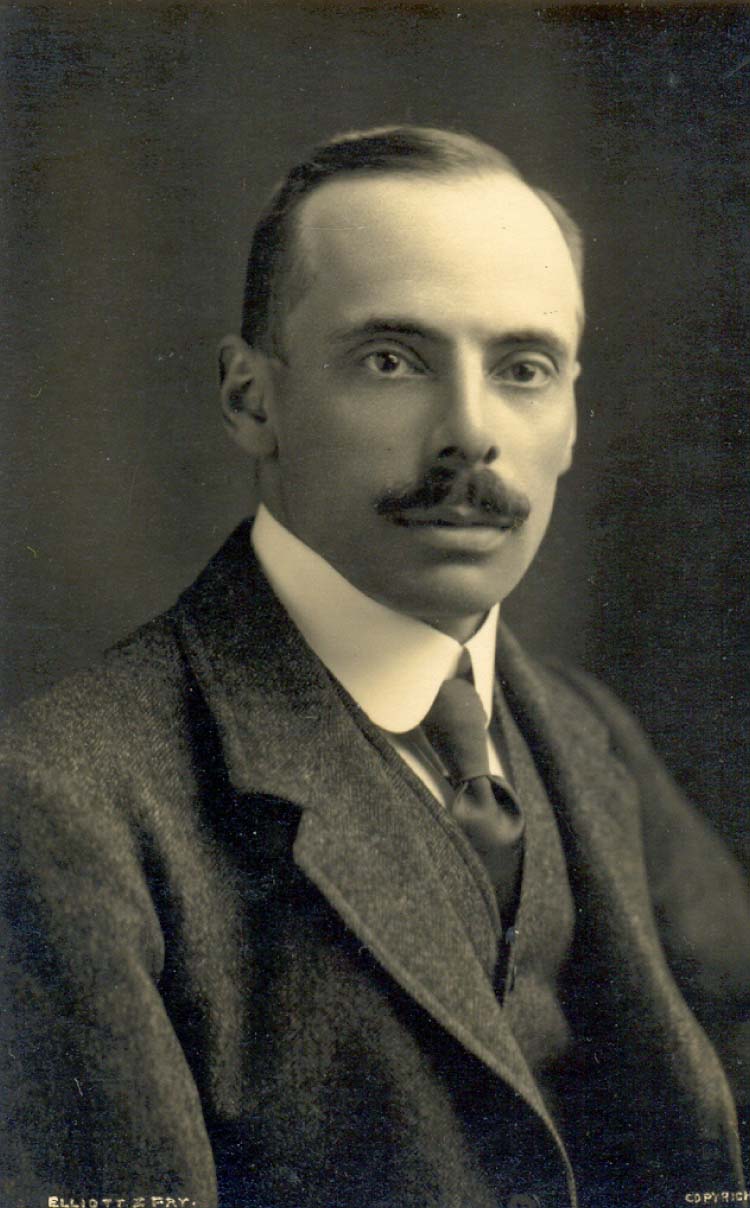
Daniel Jones
Daniel JonesThe phonetician who named it "Received Pronunciation," 1926.
The Conspiracy of the Non-Rhotic R04
It spreads05 / 11

Everyone else got it for free.

England changed first — then went and built half the map. The colonies settled afterward never had to drop the R. They were born without it.

1690s
Everyone is rhotic. The R belongs to all of us.
1800
London drops the R. The upgrade arrives.
1800s
Australia & NZ settled — born non-rhotic. No struggle.
1950s
Post-war, the USA gets conned back into the R.

Who kept the rhotic R? Scotland — and have you ever understood a word a Scotsman said? And pirates. That's the company it keeps.

The Conspiracy of the Non-Rhotic R05
America, so close06 / 11

America nearly made it.

For a while you were right there with everyone else.

Boston dropped the R. New York dropped it. Charleston, Savannah — the whole respectable seaboard was already non-rhotic.

The Americans who mattered sounded half-British, and meant to. One more generation and you'd have arrived.

Boston
New York
Charleston
Savannah

All R-less, once. Hear what's left of it.

The Conspiracy of the Non-Rhotic R06
The high point07 / 11

The Transatlantic accent.

America built an accent to rival London's — and taught it, deliberately, as the finest way an American could speak.

Speech coach Edith Skinner perfected it in Speak With Distinction (1942) and trained it at Juilliard. The best schools and studios drilled it — half-British, fully non-rhotic, unmistakably refined.

It ran Hollywood and the White House — Hepburn, Grant, FDR. America had reached the summit. Then it walked back down.

Katharine Hepburn
Hepburn
Cary Grant
Cary Grant

Neither sounds the R. That's the accent you walked away from.

The Conspiracy of the Non-Rhotic R07
The cover story08 / 11

Then they rebranded the R.

Sounding British turned into a liability. So the R you'd been trying to lose was sold back to you as a virtue.

It started with Noah Webster, who rebuilt the dictionary to make American English a flag — different from Britain on purpose. Then radio finished the job: James Bender's NBC Handbook (1943) made the rhotic Midwest voice the official sound of America.

Keeping the R got renamed honest, plain, free. Same sound your great-grandparents strained to lose — handed back with a flag in it.
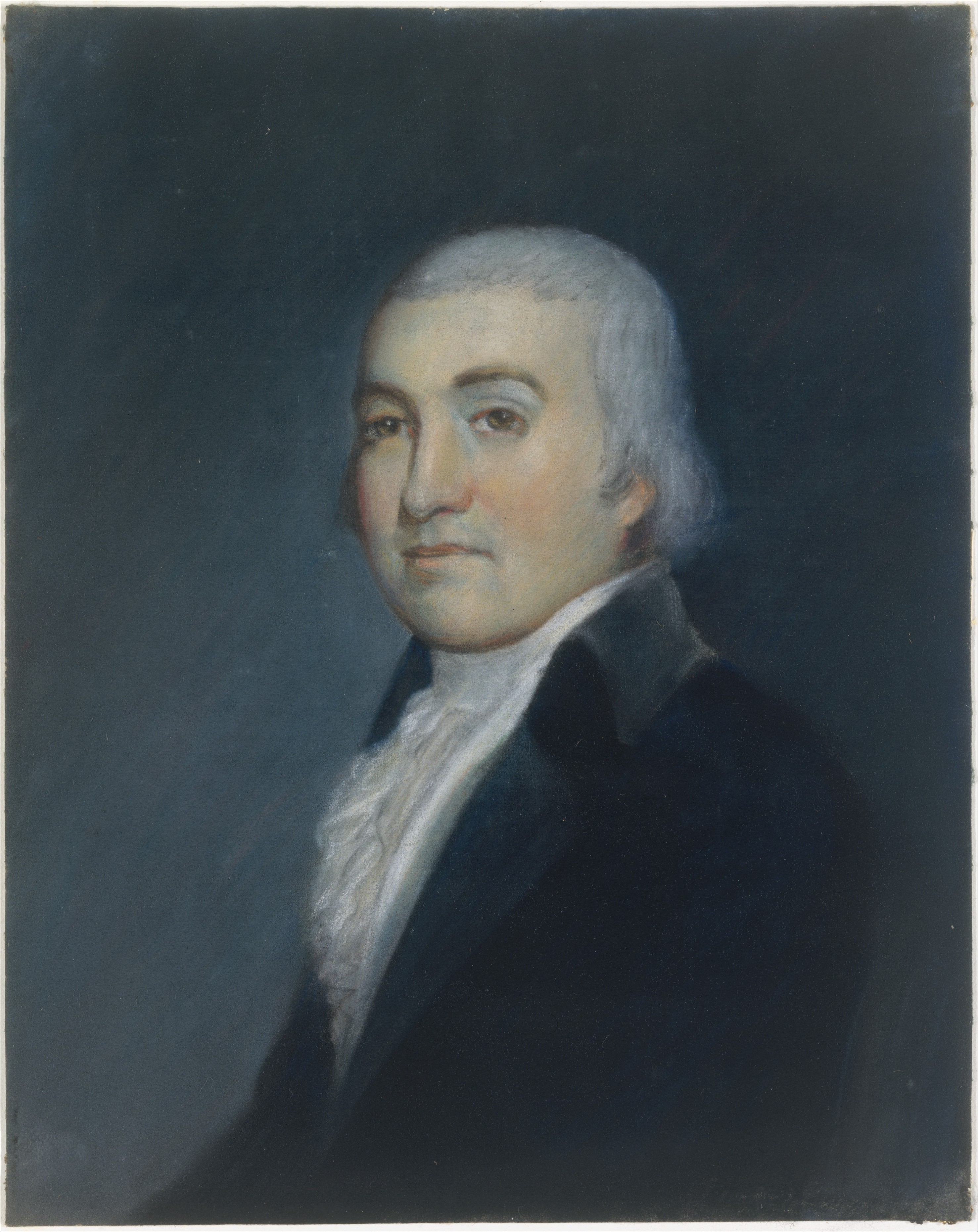
Noah Webster
Webster, 1828
1930s broadcast microphone
NBC, 1943

The rebrand had authors and a date.

The Conspiracy of the Non-Rhotic R08
The lock-in09 / 11

And the proof it worked.

By 1966 the con was complete — and a linguist caught it on tape.

William Labov went into three New York department stores and counted who sounded their R. The fancy store: most R's. The cheap store: fewest. In one lifetime the R had flipped from a peasant marker to a posh one.

You don't defend an accent this hard unless you've been told it's the absence of one.

SAKS  62%
MACY'S  51%
KLEIN  20%

Labov, 1966 — R-use by store. The richer the shopper, the harder the R.

William F. Buckley Jr.
BuckleyA prestige R-drop, still on air.
The Conspiracy of the Non-Rhotic R09
The tally10 / 11

Every country with the choice made the same one. And then there's you.

EnglandDropped it
AustraliaDropped it
New ZealandDropped it
South AfricaDropped it
United StatesKept the R

Scotland, Ireland and Canada kept theirs too — but they never had London's accent to lose. You did. You were holding it. You let go.

The Conspiracy of the Non-Rhotic R10
The verdict11 / 11

You got conned.

The non-rhotic R was the finer sound, and it was right there in your mouth. You were talked into spitting it out — and told that made you free.

It's Helvetica or Calibri. Slack or Microsoft Teams. You heard both — and got conned into choosing Teams. Then you called it independence and defended it ever since.

The Conspiracy of the Non-Rhotic R11
← → / Space · F fullscreen · M media

Turn your phone sideways to view the deck